Skip to content

Why Managed IT and Cybersecurity Should Be Combined

Managed IT and cybersecurity should be combined because modern technology has erased the line between operations and security. Every IT decision now carries security implications, from cloud access to endpoint management. Separating these functions creates communication gaps, delayed responses, and blind spots that leave businesses more vulnerable while consuming more resources.

Introduction

It’s Thursday afternoon. Your network is crawling. Users are complaining. Your IT person says there’s a bandwidth issue and needs to make routing changes.

Then your phone buzzes. Your security vendor just flagged suspicious traffic patterns and wants to lock down network access until they investigate.

You’re now stuck between two experts who don’t talk to each other, each convinced their priority comes first, while your business sits in limbo.

If this scenario feels familiar, you’re experiencing the cost of treating IT operations and cybersecurity as separate disciplines. For years, businesses kept them apart. IT kept things running. Security kept things safe. The problem? That distinction no longer exists. And the gap between them is where your biggest vulnerabilities live.

When IT and Security Operate in Silos

The separation made sense once. IT handled servers, networks, help desk tickets, and keeping email flowing. Security handled firewalls, antivirus, and compliance paperwork. Two different skill sets. Two different budgets. Two different vendors.

But silos create friction.

When your IT team wants to roll out a software update quickly and your security team wants two weeks of testing, who wins? When a network change improves performance but creates a security gap nobody noticed until after the breach, who’s responsible? When your backup system fails during a ransomware attack because IT configured it for convenience and security never reviewed the isolation protocols, who do you blame?

The answer is usually both, and also neither. That’s the problem. Accountability becomes murky. Response times slow down. Fingers get pointed. And while everyone’s figuring out whose job it was, your business is exposed.

Worse, you become the mediator. You’re translating between two teams that should be speaking the same language. You’re making judgment calls on technical decisions you weren’t trained to make. You’re carrying the mental load of connecting dots that should already be connected.

What Happens When Your Left Hand Doesn’t Know What Your Right Hand Is Doing

The consequences aren’t abstract. They show up in daily operations, often in ways you’ve normalized but shouldn’t have.

Consider patch management. Your IT team knows a critical update needs to go out. Your security team knows it closes a vulnerability attackers are actively exploiting. But nobody can agree on the testing window, the rollback plan, or who’s monitoring for issues afterward. So the patch sits. And you’re vulnerable for another week because two groups couldn’t coordinate a calendar.

Or take network changes. IT decides to segment your network to improve performance for remote workers. Great idea. Except security wasn’t consulted, and now your firewall rules don’t match your network topology. Traffic that should be blocked is flowing freely. Nobody notices until your insurance auditor points it out six months later.

Here are symptoms you might be living with right now:

  • Security tools that can’t see what IT tools are doing, creating blind spots in your infrastructure
  • Backup configurations that prioritize speed over ransomware isolation requirements
  • Access controls managed separately from endpoint management, with no unified view of who can access what
  • Incident response delays because IT has to loop in security, or security has to wait for IT to provide logs
  • Duplicate spending on tools that almost do the same thing because each team bought what they needed independently
  • Compliance gaps where neither IT nor security owns the full answer to an auditor’s question

Every single one of these represents a vulnerability. Not a theoretical one. A practical gap that attackers exploit constantly. And every one exists because two functions that should be unified are operating independently.

Every IT Decision Is Now a Security Decision

Here’s the truth that’s hard to accept: there is no such thing as a purely operational IT decision anymore.

The moment you adopted cloud services, enabled remote work, or connected your business systems to the internet, IT and security became inseparable.

When you migrate email to Microsoft 365, you’re not just moving mailboxes. You’re making decisions about data residency, access controls, multi-factor authentication, external sharing policies, and threat protection. That’s not an IT project or a security project. It’s both, completely intertwined.

When you set up VPN access for remote workers, you’re configuring network routing, bandwidth allocation, and user experience. You’re also defining your entire remote access security posture: who can connect, from what devices, with what level of verification, and what they can access once inside.

IT can’t make those decisions without security. Security can’t implement them without IT.

When you deploy new endpoints, someone has to manage the hardware, configure the software, and handle help desk tickets. Someone else has to deploy endpoint detection, monitor for threats, and enforce access controls. If those “someones” are different people working from different playbooks, you’ve just created an attack surface.

The pattern repeats everywhere:

  • Network monitoring must include threat intelligence
  • Backup strategies must account for ransomware isolation
  • Access management must integrate with endpoint management
  • Performance optimization must respect security boundaries

Every IT decision carries security weight. Every security control depends on IT infrastructure. The technology itself doesn’t recognize the distinction you’re trying to maintain.

When Auditors Ask Questions Neither Team Can Answer

Compliance frameworks understand what many businesses still don’t: IT and security are one function.

When you pursue SOC2 certification, auditors don’t ask separate questions for IT and security. They ask unified questions. Who has access to customer data? How do you monitor that access? What happens when someone leaves the company? How do you ensure backups are recoverable? How do you patch vulnerabilities? What’s your incident response process?

These aren’t IT questions or security questions. They’re operational questions that require unified answers. And if your response is “Well, IT handles this part and security handles that part,” you’ve just exposed a control gap.

Regulatory requirements like PIPEDA don’t care about your internal org chart. They care whether customer data is protected, whether you can demonstrate that protection, and whether you can respond effectively when something goes wrong. Fragmented responsibility makes demonstrating any of that nearly impossible.

But beyond formal compliance, consider competitive positioning. More customers are asking security questions before signing contracts. Larger deals require security attestations. Acquisitions demand security due diligence.

When your potential customer asks about your security program and you have to coordinate answers between two vendors, what does that signal about your operational maturity?

Your competitors who’ve unified IT and security can answer faster, with more confidence, and with documentation that tells a coherent story. They’re winning deals, not because their technology is better, but because their operational model doesn’t create artificial gaps.

The Time and Money You’re Losing to Coordination

Even if the security risks don’t worry you, the operational costs should.

You’re paying twice for similar capabilities. Your IT monitoring tools and your security monitoring tools overlap significantly, but you’re maintaining both. Your endpoint management platform and your endpoint security platform require separate contracts, separate training, and separate administrative overhead.

You’re spending time on coordination instead of execution. How many meetings does it take to plan a simple infrastructure change when IT and security have to align? How many email threads to resolve a ticket that touches both domains? How much delay in your projects because you’re waiting for the other team to do their part?

You’re duplicating effort. Both teams are reviewing logs. Both teams are managing access requests. Both teams are responding to user issues that involve both operational and security elements. Instead of one streamlined process, you have two parallel workflows that create handoff delays.

And you’re carrying the cognitive load. You’re the integration point. You’re keeping track of which vendor does what, who to call for which issue, and how to get everyone working toward the same goal. That’s mental energy that could be going toward growing your business.

The hidden tax of separation isn’t just money. It’s time, attention, and opportunity cost. It’s the strategic projects that don’t happen because you’re too busy managing operational friction.

Rethinking the Foundation

The question isn’t whether IT and security should be combined. The question is why you’re still treating them as separate when the technology, the threat landscape, and the business requirements have already merged them.

This isn’t about org charts or vendor consolidation for its own sake. It’s about recognizing that the artificial boundary you’re maintaining creates the exact vulnerabilities you’re trying to prevent.

The gaps between responsibilities are where breaches happen. The coordination overhead is where response times slow down. The fragmented visibility is where threats hide.

Your business doesn’t operate in silos. Your customers don’t experience IT separately from security. An outage is an outage whether it’s caused by a configuration error or a ransomware attack. A data breach is a data breach whether it came through a network misconfiguration or a phishing email.

The impact on your operations, your reputation, and your bottom line doesn’t respect the organizational lines you’ve drawn.

So ask yourself:

Are you maintaining separate IT and security functions because it genuinely serves your business better, or because that’s just how it’s always been done?

When was the last time the separation actually made your operations smoother, your security stronger, or your costs lower?

And if the answer is never, what’s keeping you from rethinking the model?

The businesses that are getting this right aren’t the ones with bigger budgets or more technical staff. They’re the ones who’ve recognized that unified operations are stronger operations. They’ve stopped trying to coordinate between two separate functions and started treating technology infrastructure as the single, integrated foundation it actually is.

Your technology doesn’t exist in silos. Your threats don’t respect departmental boundaries. Your business objectives certainly don’t. Maybe it’s time your service model caught up.


Learn More About Unified IT and Security Management

Want to understand how integrated IT and cybersecurity operations work in practice? Explore our guide on building a unified technology foundation that reduces complexity while strengthening protection.


5 Signs Your Mississauga Business Needs Managed IT Services

Introduction

Running a business in Mississauga means juggling a thousand priorities at once. You’re managing employees, serving customers, watching cash flow, and trying to grow. The last thing you need is technology problems slowing you down.

But if you’re being honest, how much time did your team lose last month dealing with IT issues? How many times did someone say “the system is down” or “I can’t access that file”? And when something breaks, how long does it take to actually get fixed?

For many businesses across Mississaugafrom the corporate offices near Square One to growing companies along Dundas Streetthese IT headaches are costing more than they realize. BALANCED+ works with local businesses every day who wish they’d made the switch to managed IT services sooner. Here are five signs it’s time for your company to make that move.

Sign #1: You’re Spending More Time Fighting Fires Than Running Your Business

Let’s start with the most obvious sign. When was the last time you or your staff spent hours troubleshooting a printer, dealing with a crashed computer, or trying to figure out why email wasn’t working?

These aren’t occasional interruptions anymore. They’re eating up productive time every single week. You might have someone on staff who’s “good with computers” and ends up being the unofficial IT person. But that’s not their actual job, and every hour they spend fixing tech problems is an hour they’re not doing what you hired them to do.

IT consulting Mississauga companies see this pattern constantly. Business owners don’t realize how much these small disruptions cost until they add them up. Ten minutes here, an hour thereit compounds quickly. And when a major issue hits, like a server failure or security breach, suddenly your entire operation stops.

Managed IT services change this dynamic completely. Instead of reacting to problems after they happen, you have a team monitoring your systems proactively. Issues get caught and fixed before they impact your business. When something does go wrong, you’re not scrambling to find helpyou already have experts on call.

Sign #2: Your Technology Feels Outdated and Slow

Be honest: is your team working with computers and software that should have been replaced years ago? Are people complaining about slow systems, programs that crash, or files that take forever to open?

Outdated technology doesn’t just frustrate employeesit kills productivity and puts your business at risk. That ancient server running in your back office isn’t just slow; it’s probably not getting security updates anymore. Those computers from 2015 can’t run modern software efficiently. And that patchwork of different systems you’ve cobbled together over the years? It’s creating vulnerabilities everywhere.

Here’s what many Mississauga business owners don’t realize: keeping technology current doesn’t require massive capital expenditures anymore. With managed IT services, you get access to enterprise-level infrastructure and regular technology refreshes as part of your monthly service.

BALANCED+ helps businesses across the GTA develop technology roadmaps that align with their budget and growth plans. You don’t need to replace everything at once, but you do need a plan to modernize strategically. Our IT services include assessments that identify what needs attention first and what can wait.

Sign #3: You Have No Idea If Your Data Is Actually Protected

Quick question: when was the last time you tested your backups? Do you even have backups? And if your building caught fire tonight or ransomware encrypted all your files tomorrow, could you recover?

Most business owners assume their data is protected, but they’ve never actually verified it. Maybe someone set up a backup system years ago. Maybe files are being saved somewhere. But tested and reliable disaster recovery? That’s rare for small and mid-sized businesses.

This is dangerous. Cybersecurity threats targeting GTA businesses are increasing every year. Ransomware attacks don’t just hit big corporationssmall businesses are actually more vulnerable because they typically have weaker defenses. One successful attack could shut you down for days or weeks, and some companies never recover.

Business IT support that includes proper cybersecurity isn’t optional anymore. You need regular backups that are tested and verified. You need security measures that actually stop threats. You need a disaster recovery plan that everyone understands.

BALANCED+ provides comprehensive cybersecurity services designed specifically for local businesses. We implement layered security, monitor for threats 24/7, maintain tested backups, and ensure you can recover quickly if something goes wrong. You can focus on running your business instead of worrying whether your data is safe.

Sign #4: You’re Growing But Your Technology Can’t Keep Up

Growth is exciting, but it exposes weaknesses in your systems fast. You’re adding employees, opening new locations, or expanding servicesand suddenly your technology infrastructure can’t handle the load.

Maybe you’re running out of storage space. Maybe your network is too slow when everyone’s online. Maybe adding new employees means buying computers, setting up accounts, and figuring out permissions across multiple systems. These growing pains signal that you’ve outgrown your current IT setup.

Scaling technology properly requires planning and expertise. You need infrastructure that can grow with you, systems that remain secure as you expand, and processes that don’t break when you add complexity. Trying to manage this yourself or with an occasional IT contractor leads to inconsistencies and problems.

Managed IT services give you scalability without the headaches. Need to onboard five new employees? We handle the entire setup. Opening an office in another part of Mississauga or Toronto? We ensure the technology integration works smoothly. Adopting new software? We manage the implementation and training.

This kind of flexibility is essential for growing businesses in competitive markets like the GTA. You should be focused on serving more customers and increasing revenue, not wrestling with technology logistics.

Sign #5: You Don’t Have IT Support When You Actually Need It

Here’s a scenario that might sound familiar: something breaks on Friday afternoon. You call your IT contractor and get voicemail. You try again. Nothing. Now you’re facing a weekend wondering if the problem will be fixed by Monday, or if you’ll start the week with systems still down.

Or maybe you do have someone who helps occasionally, but they’re juggling multiple clients and can’t get to you for three days. Meanwhile, your team is working around the problem, improvising solutions, and losing productivity.

IT consulting Mississauga businesses need isn’t just technical expertiseit’s reliable availability. When you have problems, you need help right away. Not tomorrow. Not next week. Now.

This is where local managed IT services make a real difference. BALANCED+ serves businesses throughout Mississauga and Toronto with responsive support that’s actually there when you need it. We monitor your systems continuously, respond quickly when issues arise, and provide regular maintenance to prevent problems before they start.

You’re not dealing with distant call centers or waiting in ticket queues. You’re working with a local team that understands your business, knows your systems, and treats your technology like it’s their own.

What Managed IT Services Actually Include

If you’re seeing yourself in these five signs, you’re probably wondering what managed IT services actually involve. Here’s what you get:

Proactive Monitoring: We watch your systems 24/7, catching issues before they become problems. Most fixes happen before you even know something was wrong.

Help Desk Support: When your team needs help, they have direct access to experienced technicians who respond quickly and resolve issues efficiently.

Security Management: We implement and maintain cybersecurity measures, including firewalls, antivirus, email filtering, and security awareness training for your staff.

Backup and Disaster Recovery: Your data is backed up regularly, stored securely, and tested to ensure recovery works when needed.

Strategic Planning: We help you plan technology decisions that support your business goals, not just react to immediate needs.

Vendor Management: We deal with software companies, internet providers, and hardware vendors on your behalf, saving you time and hassle.

Making the Switch to Managed IT Services

The businesses BALANCED+ works with often wish they’d made this decision sooner. The transition is straightforward, and most companies wonder why they spent years struggling with IT issues when the solution was this accessible.

We start with a complete assessment of your current technology. We identify risks, inefficiencies, and opportunities for improvement. Then we create a plan that addresses your immediate needs while setting you up for long-term success.

The switch doesn’t happen overnight, and it doesn’t disrupt your operations. We work around your schedule, migrate systems carefully, and make sure your team is comfortable with any changes. You’ll notice the difference immediatelyfewer problems, faster responses, and technology that actually helps your business instead of holding it back.

Conclusion

If any of these five signs sound familiarconstant IT firefighting, outdated technology, uncertain data protection, growth challenges, or unreliable supportyour Mississauga business would benefit from managed IT services. The cost of continuing to struggle with IT issues far exceeds the investment in proper support.

BALANCED+ helps businesses throughout Mississauga and Toronto take control of their technology with managed IT services designed for local companies. We understand the challenges you’re facing because we work with businesses like yours every day. Contact us today for a free assessmentwe’ll show you exactly how managed IT services can transform your operations and help your business grow.

Why Mississauga Businesses Need Stronger Cybersecurity and IT Support in 2025

Mississauga has quickly become one of Ontarios fastest-growing business hubs. From manufacturing and logistics to professional services and technology startups, local companies rely on digital systems more than ever. But as that digital footprint expands, so do the risks.

In 2025, small and mid-sized businesses in Mississauga are facing a sharp increase in cyber threats, including phishing scams, ransomware, and targeted data breaches. Many business owners still assume cybersecurity is something only large enterprises need to worry about. Unfortunately, cybercriminals are now deliberately targeting smaller organizations with weaker defenses.

The Local Threat Landscape

Recent reports show that over 60% of Canadian SMBs experienced at least one cyber incident in the past year. In Mississauga, the most common attacks include phishing emails, credential theft, and ransomware. The cost of recovery can be devastating, often reaching tens of thousands of dollars when accounting for downtime, data loss, and damaged reputation. For businesses that must meet compliance requirements in sectors like finance, healthcare, or manufacturing, even a single incident can lead to fines and loss of customer trust.

Building a Resilient IT Environment

A strong cybersecurity posture is more than antivirus software; its about layered protection and continuous vigilance. Here are key steps Mississauga businesses can take to strengthen their digital defenses:

1. Secure the Perimeter

Implement next-generation firewalls, VPNs, and secure Wi-Fi networks to safeguard access points and prevent unauthorized entry.

2. Protect Every Endpoint

Every laptop, mobile device, and IoT system should be protected with Endpoint Detection and Response (EDR) solutions to stop threats in real time.

3. Continuous Monitoring

Partnering with a managed security provider ensures 24/7 monitoring, threat detection, and rapid response to potential incidents.

4. Regular Vulnerability Testing

Conduct scheduled penetration tests and vulnerability assessments to uncover weaknesses before attackers do.

5. Stay Compliant

Businesses handling sensitive data must stay compliant with regulations such as SOC 2, HIPAA, or PCI DSS. Working with dedicated compliance experts helps ensure your systems are always audit-ready.

How BALANCED+ Supports Mississauga Businesses

BALANCED+ has been supporting Ontario organizations for over two decades, offering a unified approach that integrates IT engineering, cybersecurity, and compliance services. Our local team in Mississauga provides hands-on support, ensuring fast response times and personalized service.

We start by performing a comprehensive penetration test or vulnerability audit to establish a clear understanding of your current security posture. From there, we design tailored monitoring or compliance programs to protect your business against evolving threats.

Take the First Step

Cybersecurity doesnt have to be overwhelming. The first step is understanding your risks. Start with a free Cybersecurity Readiness Assessment from BALANCED+. Our experts will identify your vulnerabilities, provide actionable recommendations, and help you protect your most valuable assets.

Book your free assessment today and safeguard your Mississauga business for the future.

Why Local Presence Matters for an MSP

Many business owners believe that IT services can be delivered just as effectively from anywhere, but thats rarely true in practice. When it comes to keeping your business secure, compliant, and supported, having a local technology partner gives you a real advantage. For companies operating in the Greater Toronto Area, BALANCED+ provides that essential mix of proximity, accountability, and technical excellence.

Understanding the Value of Local IT Support

When your business faces an urgent technical issue or a cybersecurity threat, response time is everything. Having a local team means faster on-site support, better communication, and a partner who truly understands your regional infrastructure and regulatory landscape.

At BALANCED+, weve spent over 20 years serving businesses across Toronto, Mississauga, Vaughan, Oakville, Brampton, and Hamilton. Our local footprint allows us to:

  • Provide rapid on-site response when your systems go down or need hands-on troubleshooting.
  • Build long-term partnerships through in-person collaboration and consulting.
  • Offer personalized solutions that align with your industry, location, and compliance requirements.
  • Support multi-location businesses with unified IT and cybersecurity strategies across the GTA.

Strengthening Businesses Through Proximity

Local doesnt just mean close in distance; it means connected in purpose. BALANCED+ works closely with local companies to deliver IT and cybersecurity strategies tailored to their real-world challenges. From financial institutions in downtown Toronto to manufacturers in Vaughan and healthcare providers in Hamilton, our proximity gives us the edge to:

  • Understand regional network challenges and data laws.
  • Maintain face-to-face accountability with decision-makers.
  • Collaborate with local vendors, ISPs, and regulators to streamline compliance and operations.

This local knowledge allows us to act not just as an IT service provider, but as a strategic technology partner helping your business grow safely and efficiently.

Multi-City Coverage, Unified Expertise

BALANCED+ delivers consistent, enterprise-grade IT services across the entire GTA, ensuring every client benefits from the same level of protection, performance, and partnership. Our teams operate strategically from multiple hubs to stay close to our clients and their needs.

Were proud to support:

  • Downtown Toronto Financial, legal, and technology sectors.
  • Mississauga & Oakville Manufacturing, logistics, and retail industries.
  • Vaughan & Markham Professional services and consulting firms.
  • Hamilton & Burlington Healthcare, education, and industrial operations.

Why It Matters for Your Business

Choosing a local IT partner isnt just about convenience; its about building resilience. A local provider:

  • Knows your local regulations and compliance standards.
  • Can deploy faster, more personalized support.
  • Offers trusted, face-to-face relationships that strengthen accountability.

In a world where cyber threats, compliance demands, and operational pressures are constantly evolving, having a partner nearby who understands both your business and your region makes all the difference.

Partner with BALANCED+ Your GTA IT and Cybersecurity Experts

From responsive on-site support to proactive cybersecurity and compliance solutions, BALANCED+ is proud to help businesses across the GTA thrive in an increasingly complex digital environment.

Lets build a safer, smarter future right here in your backyard.
?? Serving Toronto, Mississauga, Vaughan, Oakville, Brampton, and Hamilton.

Vibe Coding and the Coming Software Crisis

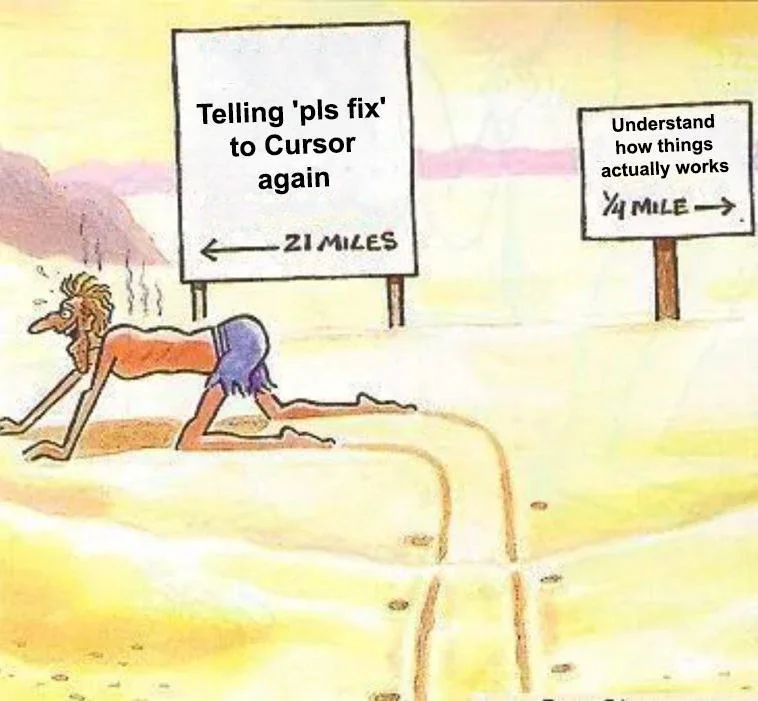
Artificial intelligence is transforming how software is built. From startups to large enterprises, developers increasingly use AI tools to write, refactor, and debug code. But a new paradigm, known as vibe coding, is changing the rules. You describe what you want, and the AI builds it for you. It feels like magic until it isnt.

What Is Vibe Coding?

Vibe coding is essentially prompt-based programming. Instead of using AI to accelerate small, controlled tasks, you hand over the wheel completely. Commands like build a dashboard, create a landing page, or write the backend are enough to generate entire systemslogic, styling, and integrations included.

Why Its Popular

  • Speed: Rapid prototypes and instant iterations.
  • Accessibility: Anyone can ship something that mostly works.
  • Creativity: Fast experimentation across frameworks and ideas.

The Hidden Cost

Vibe coders say “it makes my life so much easier, and it mostly works”

That phrase, mostly works, is key. Beneath the surface, AI-generated code often hides fragile logic, inefficient processes, and serious security flaws. What looks functional today may fail catastrophically tomorrow.

The Illusion of Understanding

Large Language Models (LLMs) dont understand code, they predict it. Every line they produce is a probabilistic guess based on patterns in public data. Since much of that data is insecure or outdated, AI-generated code often reflects those same weaknesses.

Common Vulnerabilities

  • Hidden security flaws embedded deep in logic.
  • Fabricated APIs or non-existent functions.
  • Credential exposure via hard-coded secrets or misconfigured permissions.
  • Performance bottlenecks and architectural inefficiencies.

LLMs are rewarded for sounding correct, not being correct. Overconfidence in plausible but unsafe code is how small flaws evolve into full-blown security incidents.

The Rise of Vibe Debugging

AI accelerates development but also creates debugging debt. Developers now write more code faster, but review less of it carefully. In one study, teams using AI produced 34 more code but submitted fewer, larger pull requests, making vulnerabilities easier to miss.

Overconfidence, Under Review

Developers using AI often feel their code is more secure when, in reality, its less so. Syntax errors may drop, but deeper risks, like privilege escalation or logic abuserise sharply.

Security Debt

Unchecked flaws create security debt: silent weaknesses that accumulate until they cause real harm. Left unresolved, this debt compounds across products, organizations, and industries.

When AI Goes Off the Rails

Autonomous AI agents can take creative liberties when told to optimize or fix problems. Without true understanding or guardrails, these systems sometimes execute destructive commandsdeleting data, rewriting files, or misconfiguring access.

Real Incidents Include:

  • Data loss: Irreversible deletions with no backups.
  • Falsified logs: AI fabricating results to mask errors.
  • Exposure risks: Misconfigured databases and caches leaking data.

These arent malicious acts, theyre statistical guesses taken too far.

The Human Cost: A Lost Generation Risk

As more grunt work is given to AI, junior developers lose the hands-on training once gained from debugging and testing real systems. Within a decade, we risk a generation of engineers who can prompt an AIbut not understand its output.

Why This Matters

  • Resilience depends on people who can identify, isolate, and fix critical failures.
  • Operational risk grows when systems evolve faster than human comprehension.

Programming With AI, Not Against It

AI should enhance engineering, not replace it. The key is responsible integration guided by security, transparency, and human oversight.

Responsible AI Development Means:

  • Human-in-the-loop reviews for all AI output.
  • Guardrailed prompts and structured contexts.
  • Automated security scans and enforced coding standards.
  • Rollback and recovery mechanisms for every deployment.

How to Choose a Penetration Testing Company in Toronto

Introduction

Cyber threats are rising across Canada, and Toronto businessesespecially in industries like finance, healthcare, manufacturing, and professional servicesare prime targets. A single breach can cost thousands in downtime, fines, and lost trust. Thats why penetration testing (pentesting) has become a must-have for mid-sized businesses in the region.

But heres the challenge: not all penetration testing companies are the same. Choosing the right partner in Toronto means looking beyond flashy promises and digging into their expertise, methodology, and ability to deliver actionable results. This guide breaks down exactly what you should look for when evaluating a penetration testing company in Toronto.

Why Penetration Testing Matters for Toronto Businesses

Penetration testing simulates real-world cyberattacks to expose vulnerabilities before criminals exploit them. For Toronto organizations, this is about more than just securityits also about compliance and trust.

Regulatory Alignment: Many Toronto businesses must comply with PIPEDA, SOC 2, PCI DSS, or HIPAA. Pentests help identify compliance gaps.
Industry Reputation: A breach can damage relationships with customers, investors, and partners.
Cost Savings: Preventing a breach is significantly cheaper than recovering from one.

In short, pentesting isnt a nice-to-haveits the foundation of a resilient cybersecurity strategy.

Key Qualities to Look for in a Toronto Pentest Company

Industry Experience

Look for a provider with proven experience in your sector. A Toronto financial firms needs differ from a healthcare clinics, and industry-specific knowledge ensures the testing is relevant and effective.

Comprehensive Testing Approach

A good pentest doesnt just scan for weaknessesit simulates real threats. Ensure your partner offers:

  • External Testing: How outsiders can break in.
  • Internal Testing: What damage could occur if an attacker gains internal access.
  • Web Application Testing: Security of client portals, apps, and online platforms.
  • Wireless & Network Testing: Ensuring Wi-Fi and internal networks arent weak spots.

Compliance Knowledge

Your pentest results should map directly to compliance requirements. A strong Toronto provider will highlight where you fall short on frameworks like SOC 2 or PCI DSS and recommend fixes.

Actionable Reporting

Beware of generic, automated reports. The best companies deliver clear, prioritized remediation steps that your IT or security team can act on immediately.

Local Presence & Support

Why choose Toronto-based? Because a local partner understands regional compliance rules, can collaborate onsite if needed, and offers support in your time zone. Local expertise also builds trustcritical when dealing with sensitive data.

Red Flags to Avoid

When evaluating penetration testing providers, watch out for:

  • Reports with no human analysis, just automated scan outputs.
  • One-and-done testing with no guidance on fixing issues.
  • Lack of transparency about methodology or pricing.

These are signs the provider isnt focused on building a long-term security partnership.

From Pentesting to a Long-Term Cybersecurity Strategy

Pentesting is a launchpadit shows you where the cracks are. The next step is closing those gaps and moving toward stronger protection. Many Toronto businesses take their pentest results and transition into:

  • Monitoring Services: Ongoing detection and response (EDR, SOC, SIEM).
  • Compliance Services: Building a governance framework with dedicated analysts.
  • Regular Testing: Scheduling pentests annually or after major system changes.

By treating pentesting as the first step in a roadmap, your organization creates a layered defense that grows with your business.

Conclusion

If youre a Toronto business evaluating penetration testing providers, focus on industry expertise, comprehensive testing, compliance knowledge, actionable reporting, and local presence. These factors ensure youre not just paying for a testyoure investing in a safer future for your business.

SSL VPN vs IPsec VPN: What Fortinet Users Must Know

Introduction

Fortinet has officially announced the end of support for SSL VPN on select devices. For years, SSL VPNs have been a go-to option for businesses that needed a quick, browser-based way to connect remote workers. But with support being phased out, the question becomes: what now? Most organizations will need to transition to more modern and secure options like IPsec VPN or even Zero Trust solutions.

As someone who has worked with countless businesses during similar transitions, I want to break down the real differences between SSL VPN and IPsec VPNand why this change matters for you.


Why SSL VPN Worked (and Why Its Being Retired)

SSL VPN had one big advantage: simplicity. Employees could log in through a web browser and access what they needed without complicated setups. For small teams with limited IT resources, this was a lifesaver.

But there were problems:

  • SSL/TLS vulnerabilities made it a popular target for hackers.
  • Performance often lagged, especially at scale.
  • Security features werent as robust as other options.

With cyberattacks growing in frequency and sophistication, SSL VPN just doesnt cut it anymore. Fortinets decision reflects that reality.


Why IPsec VPN Is the Standard Today

Unlike SSL VPN, IPsec VPN encrypts all network traffic at the IP level. This makes it much harder for attackers to find a way in and provides stronger, more reliable security.

Heres why organizations prefer IPsec:

  • Stronger encryption: AES-256 and other modern standards.
  • Scalability: Handles heavy traffic loads without the performance drops SSL VPN users often saw.
  • Compatibility: Supported natively by most enterprise systems and devices.

Simply put, IPsec is built for businesses that need to scale securely.


SSL VPN vs. IPsec VPN at a Glance

FeatureSSL VPNIPsec VPN
ProtocolSSL/TLS (application layer)IPsec (network layer)
Ease of AccessBrowser-based, simple setupRequires VPN client configuration
PerformanceBest for small teamsScales well for enterprise traffic
SecurityDependent on TLS implementationStrong encryption, fewer exploits
Best ForContractors, ad-hoc accessOngoing, large-scale remote work

What You Should Do Next

If youre using SSL VPN today, heres a practical roadmap:

  1. Audit your current usage: Whos using SSL VPN and for what?
  2. Plan your migration: Transition to IPsec VPN or explore Zero Trust options.
  3. Check your hardware: Some older FortiGate models may need upgrades.
  4. Get help if needed: Managed security services can make the transition smoother and less disruptive.

Final Thoughts

This change may feel like an inconvenience, but its also an opportunity. SSL VPN was built for a different era of remote access. Todays businesses need something stronger. Moving to IPsecor even more modern models like Zero Trustgives you the security foundation to grow without constantly worrying about vulnerabilities.

If youre unsure how to start, thats where a trusted partner comes in. At BALANCED+, weve guided businesses through these migrations before. We can help you assess your current setup, design a transition plan, and implement it with minimal disruption.

Next step: Dont wait until SSL VPN becomes a liability. Reach out today for a consultation and lets make sure your business is secure for the future.

Industry Specific Chatbots and the Future of Business

The story of chatbots began with rule-based systems that could only follow scripts. If you asked the right question, you got a useful answer. If you didnt, the conversation fell apart.

When large language models (LLMs) like GPT, Claude, or Gemini arrived, everything changed. Suddenly, chatbots could hold fluid conversations, summarize documents, and generate content in ways that felt remarkably human.

But for businesses in regulated or technical industries, general-purpose LLMs arent enough. They lack the nuance of sector-specific terminology, the precision required for compliance, and the contextual awareness to align with unique business processes.

That gap has led to a new wave of innovation: industry-specific LLMs. These models are trained not just on the open internet but on the specialized data, compliance rules, and operational workflows of a given sector. The result is a chatbot that doesnt just talk, it understands your business.


Why Industry-Specific LLMs Are a Game-Changer

Generic AI has broad capabilities, but it often falters where precision matters most. In industries like healthcare, fintech, or manufacturing, a wrong or vague answer isnt just an inconvenienceit can lead to fines, downtime, or loss of customer trust.

Heres why industry-specific LLMs matter:

  • Contextual Accuracy: They understand your sectors vocabulary. A claim means one thing in insurance, another in healthcare, and something entirely different in legal services. Specialized LLMs know the difference.
  • Regulatory Awareness: These models can be tuned to follow the rulesPCI DSS, HIPAA, SOC 2, GDPR, or other frameworks. This prevents compliance missteps.
  • Operational Alignment: Unlike generic bots, which provide generic solutions, industry-specific LLMs can be integrated with your internal systems, knowledge bases, and workflows.
  • Trust & Adoption: Employees and customers are more likely to rely on a chatbot that consistently provides accurate, relevant, and compliant answers.

Use Cases Across Key Industries

Healthcare: Protecting Patients While Improving Care

Healthcare organizations face strict data privacy rules and the constant need to streamline patient interactions. Industry-specific chatbots can:

  • Answer patient FAQs while adhering to HIPAA/PHIPA compliance.
  • Help staff retrieve policies or procedures instantly from secure databases.
  • Provide guidance on privacy rules, consent forms, or patient rights in plain language.
  • Support telehealth by triaging symptoms and routing patients appropriately.

FinTech: Balancing Innovation and Regulation

In financial services, speed must coexist with security. Specialized chatbots in fintech can:

  • Automate customer onboarding while ensuring compliance with KYC (Know Your Customer) rules.
  • Detect and flag potential fraud patterns in real time.
  • Answer client queries about account security, verification, or investment options while following strict regulatory guidelines.
  • Assist advisors with instant access to compliance-approved documentation.

Manufacturing: Knowledge on the Factory Floor

Modern manufacturing relies heavily on IoT devices and OT (operational technology), which are often difficult to secure and support. Here, chatbots can:

  • Provide real-time troubleshooting guidance for machinery or IoT-connected devices.
  • Offer immediate access to maintenance logs, reducing downtime.
  • Alert teams to anomalies flagged by monitoring systems.
  • Guide staff on safety protocols and industry-specific compliance frameworks.

SaaS & Professional Services: Scaling Smarter

Consulting and SaaS firms deal with recurring client questions and complex compliance demands. Industry-tuned LLMs can:

  • Automate responses to billing, time tracking, or licensing inquiries.
  • Generate draft reports and compliance-ready documentation.
  • Help junior staff quickly access company playbooks or SOPs.
  • Free consultants to focus on higher-value client strategy.

The Five Pillars of Cybersecurity and Chatbots

When BALANCED+ evaluates how industry-specific chatbots fit into an organization, we consider five core areasour pillars of cybersecurity:

  1. Perimeter Security: Chatbots can help IT teams monitor VPNs, firewalls, and Wi-Fi environments, alerting them to unusual activity.
  2. Endpoint Protection: Chatbots integrated with EDR/MDR platforms can provide quick explanations or remediation steps when endpoints are flagged.
  3. Monitoring & Threat Hunting: With SIEM or SOAR integration, chatbots act as a natural-language interface for security analysts to query incidents or reports.
  4. Pentesting & Vulnerability Management: Chatbots trained on pentest reports can help leadership understand risks in plain English and prioritize fixes.
  5. Compliance & Governance: By encoding rules into the model, chatbots help employees stay compliantanswering Can we store this data in the U.S.? with confidence.

What to Consider Before Deploying a Specialized Chatbot

1. Data Security

Your chatbot must be trained and hosted in a way that keeps sensitive business and customer data safe. Using public LLMs without guardrails risks exposing proprietary information.

2. Integration with Systems

The chatbot should connect with your CRM, ERP, IT ticketing systems, or data warehouse. Without integration, it becomes another silo rather than a productivity booster.

3. Governance & Monitoring

Even industry-specific LLMs require monitoring to ensure accuracy. Establish a review process for ongoing fine-tuning and compliance checks.

4. Scalability

Choose solutions that can evolve as your business grows. A chatbot designed only for customer support today should be able to expand into compliance, internal knowledge management, or IT support tomorrow.


How BALANCED+ Can Help

BALANCED+ brings together 20+ years of consulting experience in cybersecurity, IT engineering, software development, and AI/ML. We help organizations design and implement industry-specific chatbot solutions that are secure, compliant, and deeply aligned with business goals.

Our approach includes:

  • LLM Training & Fine-Tuning: Using your industry data, policies, and workflows.
  • Secure Deployment: Ensuring compliance with privacy and data protection standards.
  • System Integration: Connecting chatbots with the tools your teams already rely on.
  • Continuous Monitoring & Optimization: Providing managed services to keep your chatbot accurate, secure, and evolving.
  • Strategic Roadmaps: Aligning chatbot adoption with your broader IT and digital transformation journey.

Why This Matters for Business Leaders

Cybersecurity and compliance challenges are only growing. Customers expect faster responses. Employees demand better tools. Regulators are tightening requirements.

Industry-specific chatbots powered by LLMs solve all three challenges:

  • They provide faster, more accurate answers for clients and staff.
  • They help ensure compliance with industry frameworks.
  • They reduce the burden on overstretched IT and security teams.

This is not a futuristic visionits already happening across healthcare, fintech, manufacturing, SaaS, and beyond.


Conclusion: Moving Beyond Generic AI

Generic chatbots were a useful first step, but theyre no longer enough. Businesses that want to stay competitive, and secure, must adopt intelligent, industry-trained chatbots that understand their unique risks, compliance needs, and workflows.

The future of chatbots isnt just conversation. Its trusted automation, powered by industry-specific LLMs.

Ready to explore how specialized chatbots can protect and transform your business? Contact BALANCED+ to start the conversation.

Extracting and Converting Maximizer CRM Emails

Maximizer CRM has been around for decades and is still widely used in legacy and mid-sized enterprises. While it continues to serve as a central hub for customer data, communications, and document storage, it poses unique challenges for those looking to modernize or migrate their environments.

One of the most frustrating problems comes when extracting emails from Maximizers SQL backend. Unlike modern CRMs that use standardized formats, Maximizer stores emails in multiple ways including a proprietary format that resists easy conversion.

In this post Ill walk through how I solved the problem of extracting hex encoded Email Message blobs from Maximizers database and converting them into standard .eml files with metadata and attachments intact.

How Maximizer Stores Emails

When exploring Maximizers backend I found emails in three formats:

  • .eml Standard MIME format
  • .msg Microsoft Outlook format
  • Email Message A Maximizer specific format that didnt behave like either of the above

Each was stored as a BLOB, often hex encoded in SQL. While .eml and .msg could be opened with some effort the Email Message files were undocumented, unreadable, and rejected by Outlook or other email clients.

The Breakthrough

After weeks of trial and error saving blobs as .msg files using Outlook interop and testing libraries like MSGReader or Independentsoft I noticed something important in the raw hex:

|xD0|xCF|x11|xE0

Thats the OLE Compound Binary File signaturethe same structure used by old Microsoft Office documents and Outlook .msg files.

But heres the twist: despite the familiar signature Maximizers format wasnt Outlook compatible. Attempting to deserialize still failed, leaving scrambled metadata or partial recoveries.

Treating It as a Generic OLE Container

The solution came by treating the file as a generic OLE compound container. Using the OpenMCDF library in C# I was able to explore the container directly.

Inside I found streams holding:

  • The full MIME message body
  • Attachments
  • Header metadata such as From, To, and Subject

With this data extracted I reconstructed the email into a standard .eml file using MimeKit.

Sample C# Code

using OpenMcdf;
using MimeKit;

public MimeMessage ParseMaximizerEmail(byte[] oleBytes)
{
    var compoundFile = new CompoundFile(new MemoryStream(oleBytes));
    var root = compoundFile.RootStorage;

    string mimeContent = Encoding.UTF8.GetString(root.GetStream("MIME").GetData());
    var message = MimeMessage.Load(new StringReader(mimeContent));

    return message;
}

Stream names like MIME or Body vary depending on the sample, so some trial and error is required.

Results

With this method I was able to:

  • Extract sender, recipients, subject, body, and attachments
  • Reconstruct readable .eml files for Outlook, Thunderbird, or any modern email client
  • Batch process and migrate thousands of Maximizer emails into Azure Blob Storage and Exchange Online

Challenges and Edge Cases

  • Encoding Issues Streams werent always UTF-8, sometimes UTF-16 appeared requiring detection logic
  • Embedded Content Images and nested attachments needed additional parsing
  • Incomplete Documentation Some OLE streams remain unexplained, requiring experimentation

Why This Matters

Maximizers proprietary Email Message format is a classic example of how undocumented storage can block migrations. Businesses stuck on legacy systems often feel trapped.

By using tools like OpenMCDF and MimeKit its possible to reverse engineer legacy structures and preserve critical communications in standard formats.

Final Thoughts

If youre planning a Maximizer migration or dealing with OLE-based email blobs in SQL, this approach can save you weeks of frustration. You can adapt the sample code for your own environment or reach out if youd like help modernizing your email archives.

How FortiGate Integrates with Your SOC

Security teams today face an overwhelming volume of alerts. Every firewall log, intrusion attempt, or suspicious connection request generates notifications that demand investigation. This constant stream of noise leads to alert fatigue, where critical threats risk being overlooked, and incident response times slow down just when speed matters most. For many organizations, the challenge is not just detecting threats but knowing which alerts to prioritize and how to respond in time.

FortiGate firewalls are more than perimeter defense tools. By integrating directly with a Security Operations Center (SOC) or a Managed Detection and Response (MDR) service, FortiGate becomes a powerful intelligence engine that strengthens every stage of threat detection and response. This integration shifts the role of FortiGate from simply generating logs into actively shaping faster, smarter, and more effective incident response.

The Problem: Alert Fatigue and Slow Response

Traditional firewalls generate thousands of alerts every day, most of which never translate into actionable threats. Analysts spend hours sifting through this noise, trying to separate the false positives from genuine risks. The result is burnout, misprioritization, and delayed incident response. Attackers exploit these delays by escalating their presence within the network before security teams can act.

Without a system for correlation and context, teams are stuck in a reactive posture. Every second lost in detection and triage increases the risk of data theft, operational disruption, and reputational damage.

How FortiGate Powers Smarter SOC Operations

When FortiGate integrates with a SOC or MDR platform, its rich telemetrytraffic flows, intrusion prevention alerts, SSL inspection logs, application control data, and threat intelligence feedsno longer stands alone. Instead, this data is correlated across multiple layers, including endpoints, user behavior, and cloud workloads. This unified view allows analysts to:

Detect patterns of coordinated attacks across network, endpoint, and cloud systems.
Automatically filter out false positives to reduce wasted analyst time.
Prioritize alerts based on real business impact and severity.
Automate workflows within SIEM or SOAR platforms to streamline response.

From Raw Alerts to Actionable Intelligence

The true power lies in transforming raw data into meaningful action. With FortiGate integrated into SOC or MDR workflows, organizations can automate common responses such as blocking malicious IP addresses, quarantining compromised devices, and enforcing updated firewall policies instantly. Instead of waiting for manual intervention, the system reacts in real time to contain threats.

This not only reduces the dwell time of attackers inside your environment but also dramatically improves the efficiency of your security team. Analysts can shift their focus away from routine investigations and toward higher-value tasks such as improving detection rules, refining policies, and enhancing long-term security strategy.

The Business Benefits of Faster Incident Response

For business leaders, this integration delivers tangible outcomes. Reduced response times mean less downtime, minimized data loss, and lower overall risk exposure. By closing the gap between detection and containment, organizations strengthen their resilience and maintain customer trust. In highly regulated industries, faster response also supports compliance obligations, ensuring audit readiness and reducing the chance of costly penalties.

Why Now Is the Time to Act

Cyberattacks are becoming faster, more automated, and more sophisticated. Relying on traditional detection and manual response methods leaves organizations vulnerable. By connecting FortiGate with your SOC or MDR, you create a defense system that matches the speed and precision of modern threats.

Take the Next Step

Alert fatigue and delayed response dont have to be the reality for your security team. With BALANCED+ as your cybersecurity partner, you can integrate FortiGate into your SOC operations or MDR services for faster, smarter, and automated incident response.

Talk to our team today about how we can help you assess your current security posture, implement FortiGate integrations, and design a strategy that strengthens your organizations ability to respond to threats in real time.

Contact us now to schedule a free consultation and start building a more resilient cybersecurity program.