 Adrian Carmichael
 Your operations team spent 12 hours last week copying data between spreadsheets. Your IT staff manually checked 40 web pages for uptime. Someone on your marketing team filled out the same test form six times to verify it worked after a plugin update. None of this required human judgment. It just required a human’s time.
That’s changing. AI agents (not chatbots, not basic automations) are now capable of navigating websites, filling out forms, extracting data, and completing multi-step workflows without human intervention. And for mid-market businesses running lean teams, this isn’t a future trend. It’s a competitive advantage available right now.
AI agents aren’t chatbots that answer questions. They’re autonomous tools that take action. They navigate websites, interact with applications, extract data, and complete multi-step business workflows. The difference between a chatbot and an AI agent is the difference between someone who gives you directions and someone who drives you there.
What Are AI Agents (And Why Should You Care Now?)
The term “AI” gets thrown around loosely, so let’s be specific about what we mean when we talk about AI agents in a business context.
AI Agent
A software system powered by a large language model (LLM) that can autonomously plan and execute multi-step tasks. Unlike a chatbot, which only responds to prompts, an AI agent can browse websites, interact with applications, make decisions based on what it finds, and complete workflows from start to finish without human input at each step.
The key word is autonomously. A chatbot waits for your question. An AI agent takes your goal (“check our website for broken links every morning” or “fill out this vendor application form with our company details”) and figures out how to accomplish it.
What makes this possible today is a new category of capability that lets AI agents interact with the real world:
Model Context Protocol (MCP)
An open standard developed by Anthropic that lets AI agents connect to external tools and data sources through a universal interface. MCP servers act as bridges between the AI and real-world systems like web browsers, databases, APIs, file systems, and business applications. Think of MCP as a USB port for AI: instead of building a custom integration for every tool, any MCP-compatible agent can plug into any MCP server and immediately gain new capabilities.
This is the architecture that makes AI agents practical for business. Rather than needing a developer to build custom integrations for every workflow, your team can connect pre-built MCP servers that handle web browsing, database queries, file management, and more. The agent handles the reasoning. The MCP servers handle the doing.
The Tools Behind It: Playwright and Claude Code
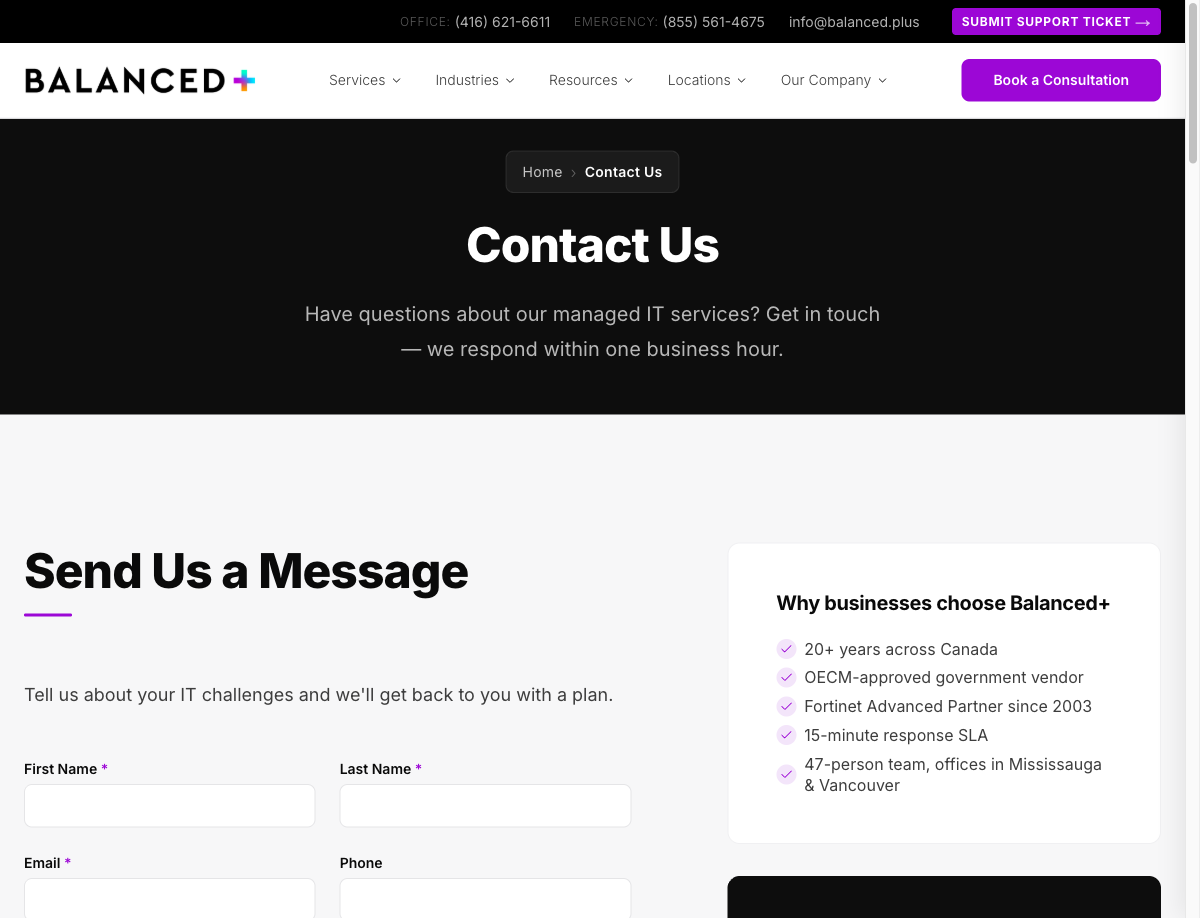
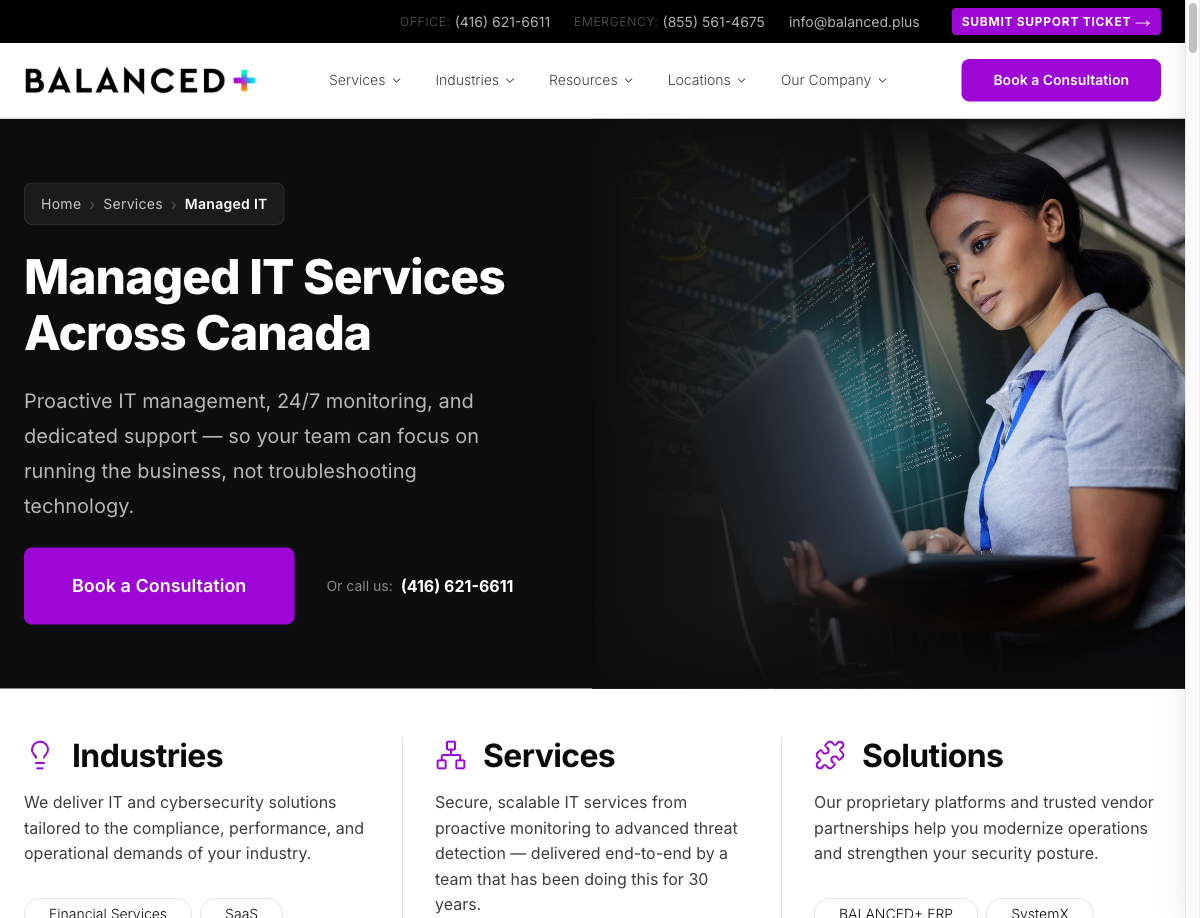
Every screenshot in this article was captured by an AI agent browsing a live website in real time. The tool that makes this possible is Playwright, an open-source browser automation framework built by Microsoft. Playwright can control Chromium, Firefox, and WebKit browsers programmatically, navigating pages, clicking buttons, filling forms, and taking screenshots just like a human user would.
What makes Playwright especially powerful for AI agents is the Playwright MCP server. This server wraps Playwright’s capabilities into the Model Context Protocol, so any MCP-compatible AI agent (like Anthropic’s Claude) can control a web browser through natural language instructions. The agent says “navigate to this URL and fill out the contact form,” and the Playwright MCP server translates that into real browser actions.
If you’re using Claude Code (Anthropic’s command-line AI development tool), you can add the Playwright MCP server in under a minute:
That single command gives Claude the ability to open a browser, navigate to any URL, read page content, interact with elements, fill out forms, and capture screenshots. No additional configuration required. Once installed, you can ask Claude to do things like “go to our website and check if the contact form works” and it will open a real browser, run through the workflow, and report back with screenshots of what it found.
This is the same setup we used to generate every demonstration in this article. The form-filling screenshots, the site monitoring captures, the page analysis examples: all produced by Claude controlling a Playwright browser through MCP, running against a live production website.
Playwright MCP is just one of hundreds of available MCP servers. Others connect AI agents to Google Drive, Slack, databases, GitHub, CRM platforms, and more. The MCP ecosystem is growing fast, and each new server expands what your AI agent can do without any custom development.
5 Ways AI Agents Save Your Team Time Every Week
Here’s where this gets practical. These aren’t hypothetical use cases. They’re workflows that businesses are automating with AI agents today.
1. Automated Website Monitoring
An AI agent can navigate your entire website on a schedule, checking that pages load correctly, forms function, SSL certificates are valid, and content hasn’t been tampered with. Unlike basic uptime monitors that only check if a server responds, an AI agent actually sees the page the way a visitor would.
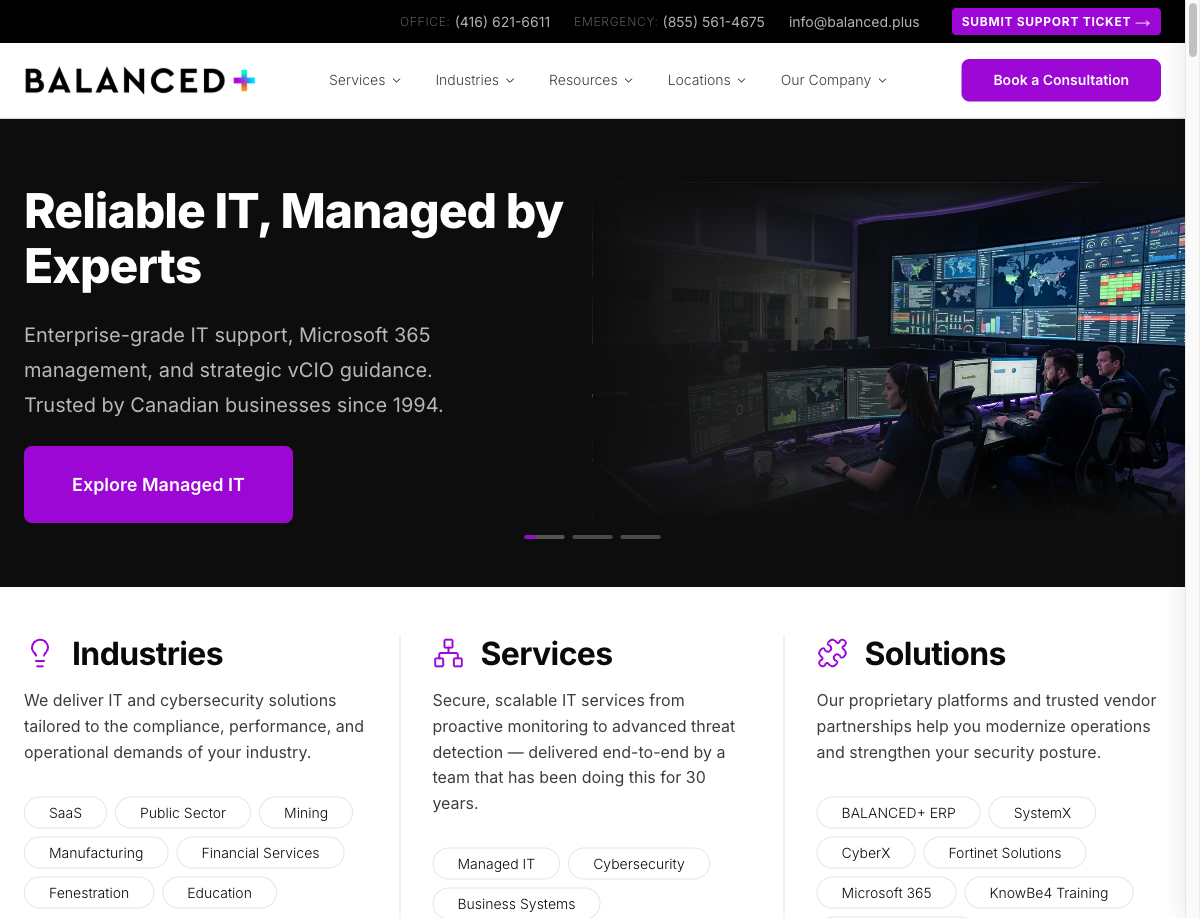
If something is wrong (a broken image, a missing phone number, a form that throws an error) the agent flags it immediately. No more finding out about broken pages from a customer complaint.
2. Competitive Intelligence on Autopilot
Want to know when a competitor updates their pricing page, launches a new service, or publishes a blog post targeting your keywords? An AI agent can monitor competitor websites daily, extract the relevant changes, and deliver a summary to your inbox every morning.
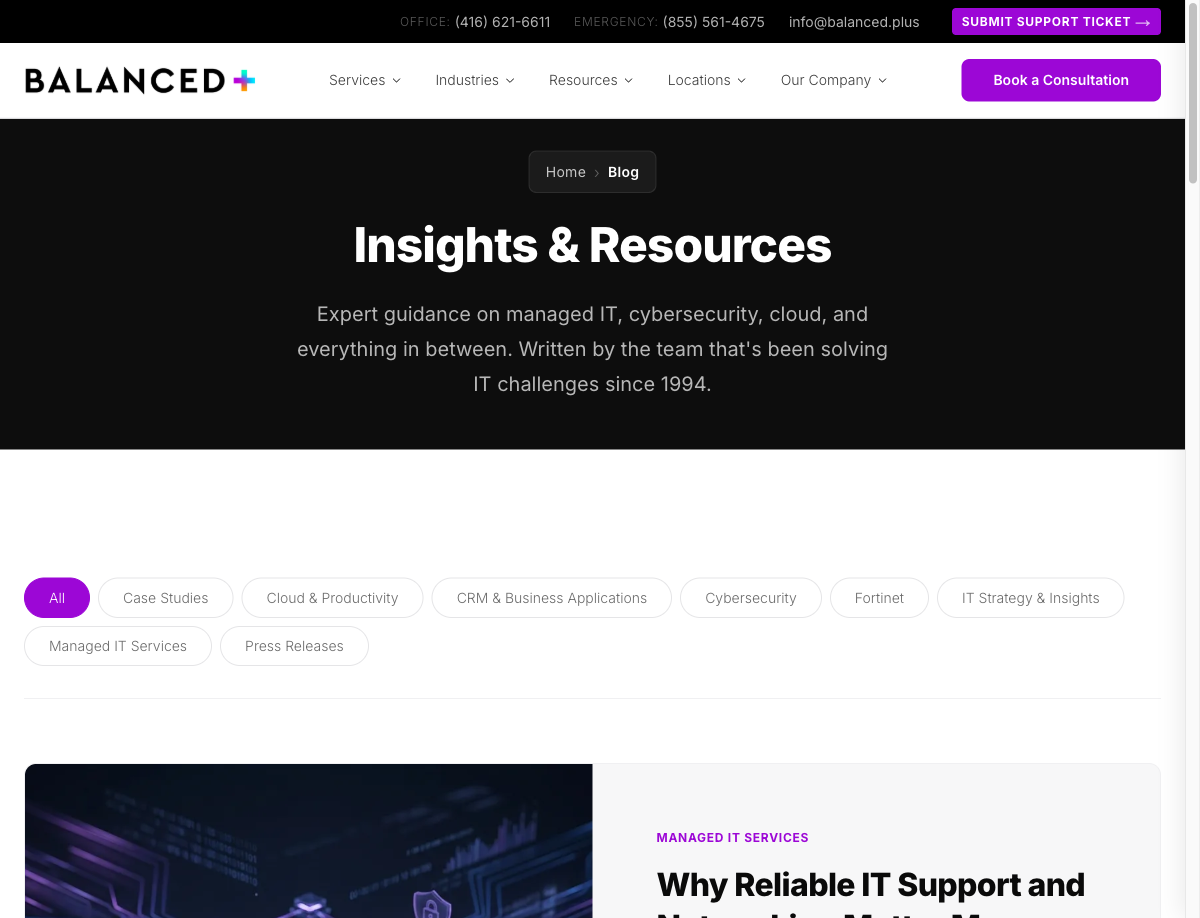
This used to require a junior analyst spending hours clicking through competitor sites. Now it runs in the background while your team focuses on acting on the insights instead of gathering them.
3. Automated Form Testing
Every time you update a WordPress plugin, change a form field, or modify your contact page, there’s a risk that something breaks. AI agents can automatically test your forms by navigating to the page, filling in every field with realistic test data, submitting, and verifying the confirmation message appears.
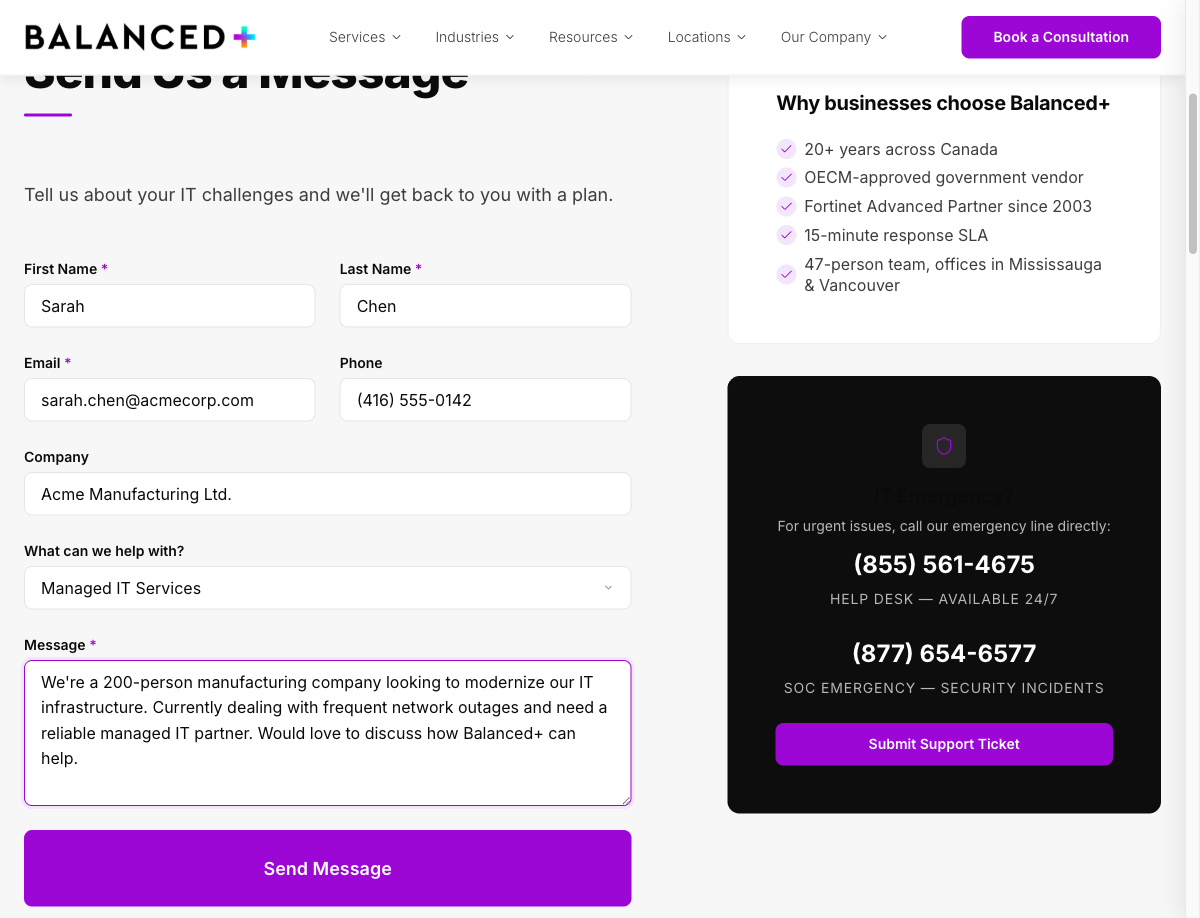
Run this after every deployment and you’ll catch broken forms before your prospects do. That’s leads you’d otherwise lose without ever knowing it.
15-25 hrs/week
Time mid-market teams typically spend on manual web tasks that AI agents can automate, including monitoring, data collection, form testing, and report generation. (Internal benchmarks across 50+ managed accounts)
4. Data Collection and Reporting
Need to pull pricing data from vendor portals every week? Aggregate job postings across multiple boards? Collect product specifications from supplier websites? AI agents handle repetitive data collection tasks that would otherwise eat hours of your team’s week.
The agent navigates to each source, extracts the data you’ve specified, normalizes it into a consistent format, and delivers it to a spreadsheet, database, or dashboard. When a source changes its layout (something that would break a traditional scraper) the AI agent adapts because it understands the page structure, not just the HTML.
5. Employee Onboarding Workflows
Onboarding a new employee involves creating accounts across multiple platforms: email, project management, HR systems, security training, VPN access. An AI agent can work through an onboarding checklist, navigating to each platform, creating accounts with the correct permissions, and logging what was completed.
This reduces onboarding from a half-day IT task to a supervised 30-minute process, with a complete audit trail of exactly what was provisioned and when.
Start with one workflow. Pick the most repetitive, lowest-risk task your team does every week (website monitoring or form testing are great candidates) and automate that first. Once you see the time savings and reliability improvements, you’ll quickly identify the next five workflows to hand off to an AI agent.
What This Looks Like in Practice
To make this concrete, here’s exactly what happens when an AI agent automates a form testing workflow, one of the most common use cases we see with our managed IT clients.
Step 1: The agent receives its instructions. You define the task once: “Navigate to our contact page, fill out the form with test data, submit it, and verify the confirmation message appears. Run this every morning at 7 AM and alert me if anything fails.” The agent stores these instructions and executes them on schedule.
Step 2: The agent navigates to the page. Using the Playwright MCP server, the agent opens a real Chromium browser, navigates to your contact page, and waits for it to fully load, just like a real visitor would.
Step 3: The agent reads the page and identifies the form. Rather than relying on hardcoded selectors that break when your page changes, the AI agent understands the page structure. It identifies the form fields by their labels (First Name, Last Name, Email, Message) and knows what type of data each expects.
Step 4: The agent fills and submits the form. Each field gets populated with realistic test data. Dropdowns are selected, text areas are filled with appropriate content, and the submit button is clicked. The agent then waits for the page response.
Step 5: The agent verifies the result and reports back. Did a confirmation message appear? Did the page throw an error? Did the form redirect to a thank-you page? The agent checks for the expected outcome and sends a pass/fail report. If something broke, you know about it before your first prospect of the day hits that form.
Here’s what the agent actually sees at each stage. These are real screenshots captured by an AI agent during a live demonstration:
How AI Agents Compare to Traditional Automation
If you’ve used scripts, macros, or tools like Zapier before, you might be wondering what’s different here. The short answer: AI agents handle complexity and change in ways that traditional automation can’t.
| Scripts & Macros | AI Agents | |
|---|---|---|
| Setup | Requires a developer to write and test custom code | Describe what you want in plain language |
| Maintenance | Breaks when the target website or application changes its layout | Adapts automatically by understanding page structure, not just HTML selectors |
| Flexibility | Does exactly one thing; any variation requires new code | Handles variations and edge cases by reasoning about the task |
| Cost | Low per-script, but developer time for each new automation adds up | Higher per-task compute cost, but dramatically lower setup and maintenance time |
| Learning curve | Requires programming knowledge (Python, JavaScript, etc.) | Natural language instructions allow your operations team to define workflows |
| Error handling | Fails silently or crashes when encountering unexpected states | Recognizes errors, attempts recovery, and reports what went wrong in plain language |
Traditional automation still has its place. For high-volume, unchanging tasks, a well-written script is faster and cheaper per execution. But for the kind of varied, web-based workflows that mid-market operations teams deal with daily, AI agents are a step change in what’s possible without a dedicated development team.
What to Consider Before You Start
AI agents are powerful, but they need guardrails. Before deploying any AI automation in your business, make sure you have these fundamentals in place: Start small and automate one low-risk workflow first, then validate the results before scaling. Define clear boundaries by specifying exactly what the agent should and shouldn’t do, especially around sensitive data and customer-facing interactions. Maintain human oversight because AI agents should report to humans, not replace human judgment on decisions that matter. Ensure security controls so that any tool interacting with your systems has proper access controls, credential management, and audit logging.
The biggest mistake businesses make with AI automation is trying to automate everything at once. The teams that get the most value start with a focused pilot, measure the results, and expand methodically.
You should also consider data privacy. AI agents that browse the web and interact with applications are processing data. Make sure your implementation complies with your organization’s data handling policies and any applicable regulations (PIPEDA in Canada, GDPR for European clients, etc.).
The Bottom Line
AI agents represent a genuine shift in what small and mid-market teams can accomplish without growing headcount. The manual web tasks that eat 15 to 25 hours of your team’s week (monitoring, testing, data collection, reporting) can run autonomously with better accuracy and complete audit trails. The technology is here now, the ROI is measurable, and the barrier to entry is lower than most businesses expect. The question isn’t whether AI agents will change how your team works. It’s whether you’ll be the one setting the pace or playing catch-up.
Ready to explore how AI-powered automation could work for your business? Our team helps mid-market companies identify the right workflows to automate and implement the tools to make it happen, securely and strategically.
Book a consultation to discuss your automation opportunities, or learn more about our managed IT services that keep the foundation running while you innovate.


 Andrei Fomitchev